Veggies to Table has four core programs
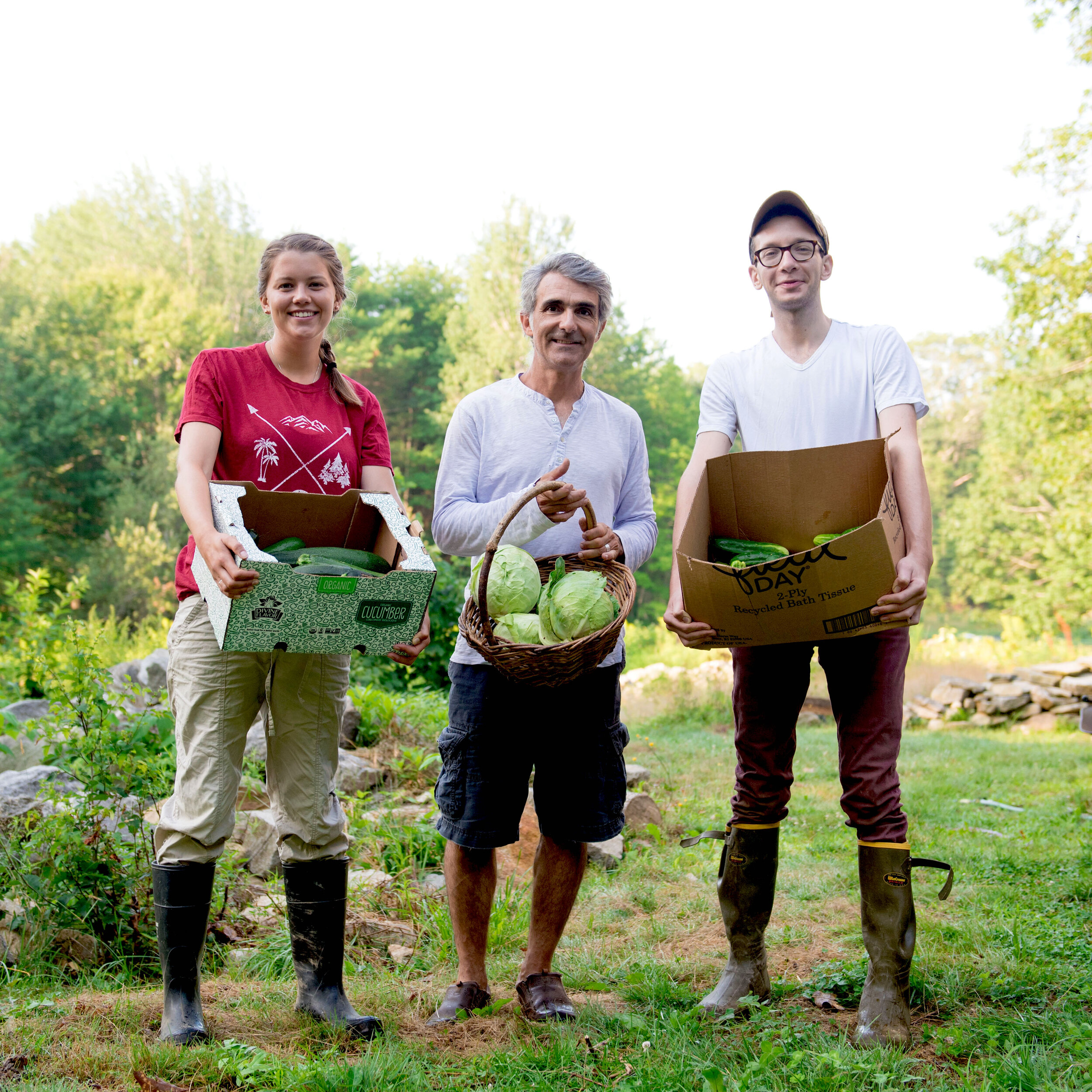
How Does it Work? We partner with many organizations such as schools, the YMCA, summer lunch and after school programs, pantries, hospitals, low-income housing, and the Boothbay Rotary. They pick up our produce on the farm and distribute it to community members in need. Thanks to these collaborations, we reach thousands of people living with hunger each season at over 35 sites across Lincoln County and beyond to increase access to nutritious food and education. We reduce the prevalent transportation dilemma in rural Maine by creating a wraparound service. Our strong partnerships are fundamental in reducing community hunger and creating joy.
Aside from pantries, schools, summer lunch programs, and the two local YMCA’s we partner with the Lincoln County Gleaners to place produce on sharing tables in thrift shops, libraries, schools, and low-income housing — a one-stop shop, and supply the Take-What-You-Need free farm stand at Morris Farm and the new Community Fridge in Boothbay.
For a full list of our partners and recipient sites click here.
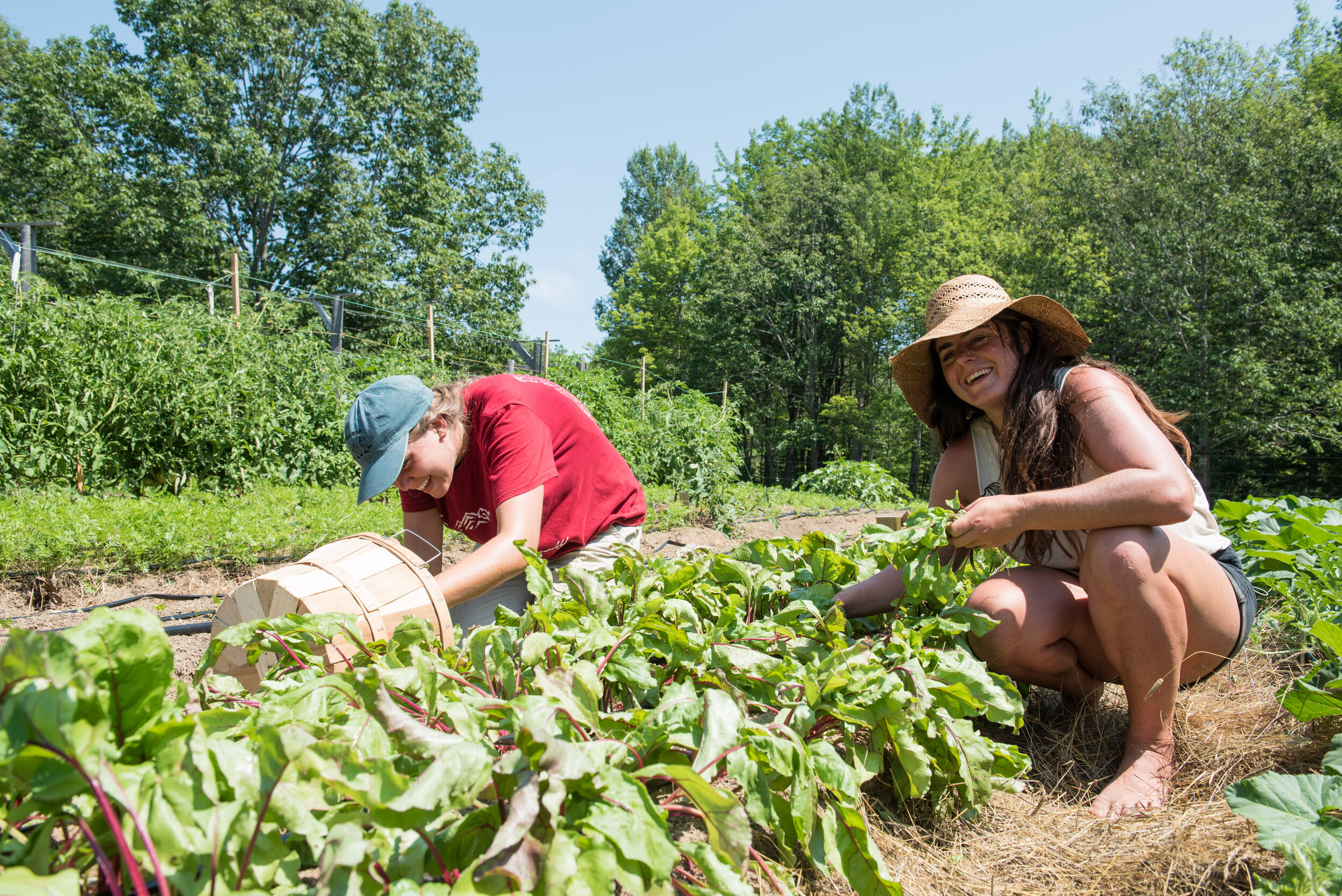
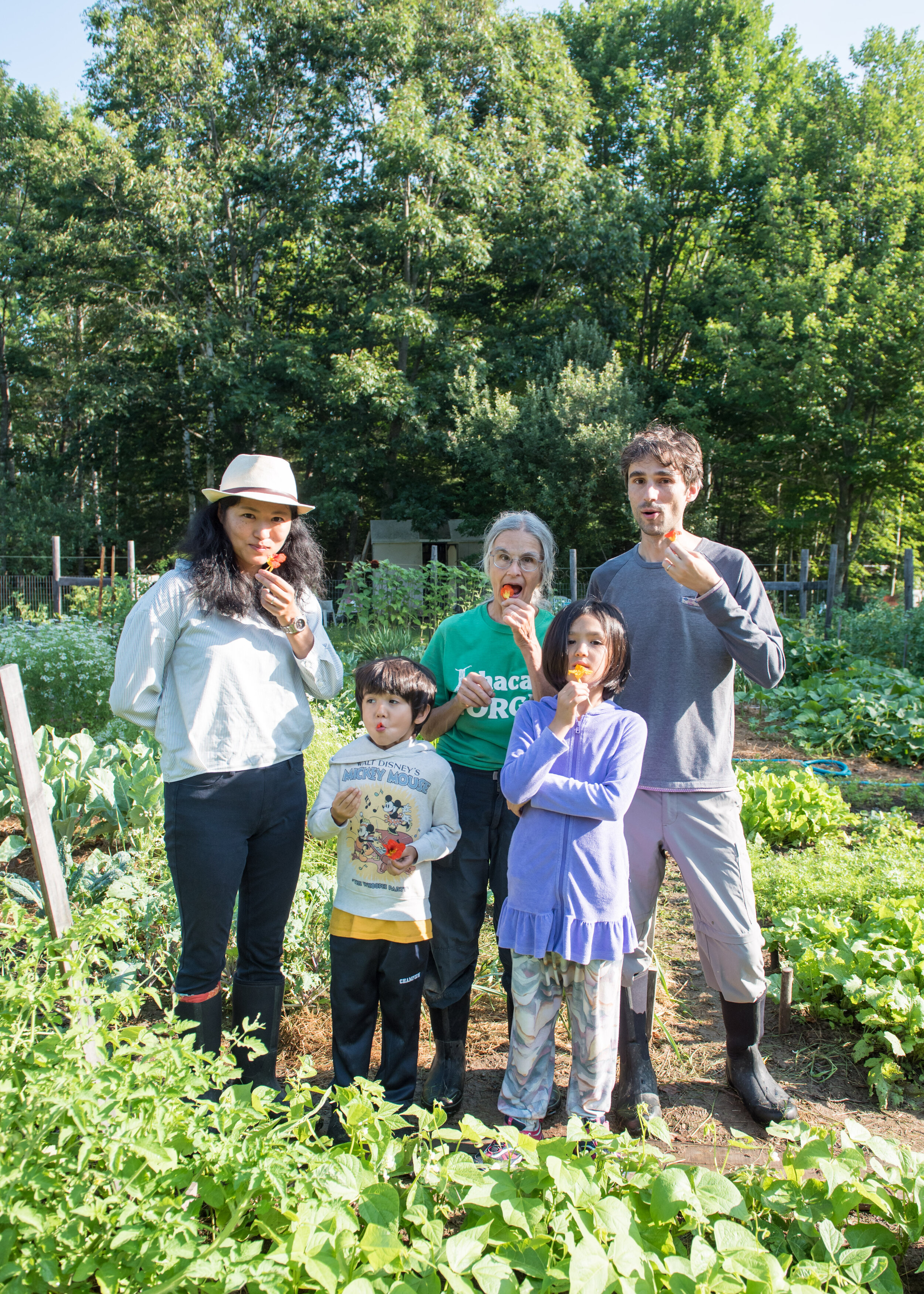
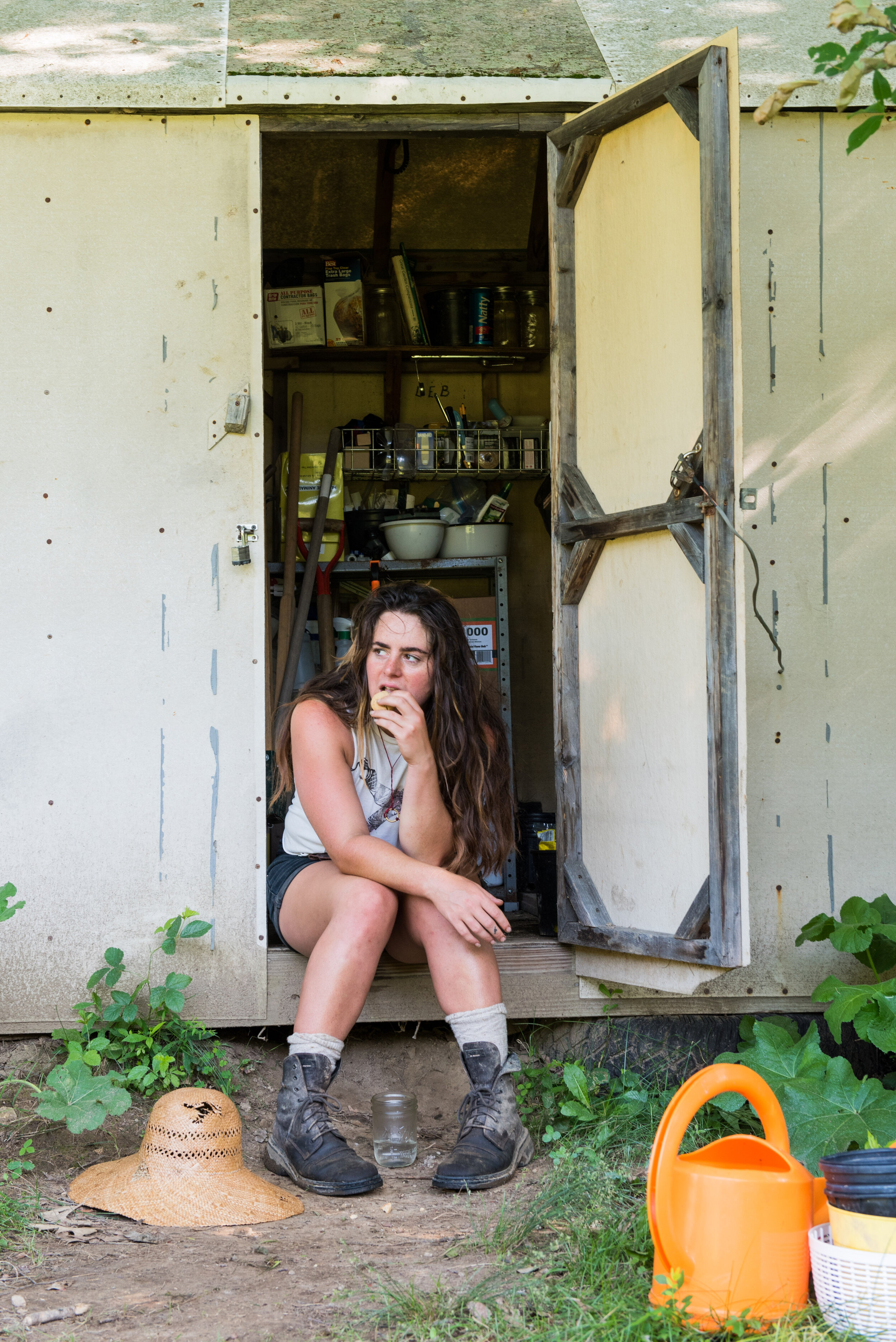
With our diverse volunteer community everyone is welcome. People of every age, belief and background connect and create lasting relationships on the farm, and beyond, while working together towards food justice and equity for all. By learning to grow, harvest and prepare local produce our community will becomes more resilient and self-sufficient over time, with a deeper understanding of sustainable living and organic, no-till agricultural practices to preserve the land.
By engaging folks of all ages, backgrounds, and socio-economic status to volunteer with us, we encourage broader conversations about food insecurity, the role agriculture plays in our lives and how one tiny community can make a big difference in the well-being of their neighbors in need.
Serving one’s community and having a sense of purpose and a tangible goal to help those living in crisis, improves the well-being of everyone involved.
We work tirelessly to promote the well-being of each individual involved in the food-production and consumption process—from farm to table.
“The time I spent at the farm with your awesome team was a pleasure!
Thanks to all of you for making me feel welcome ! K. Levine, Newcastle, Maine”
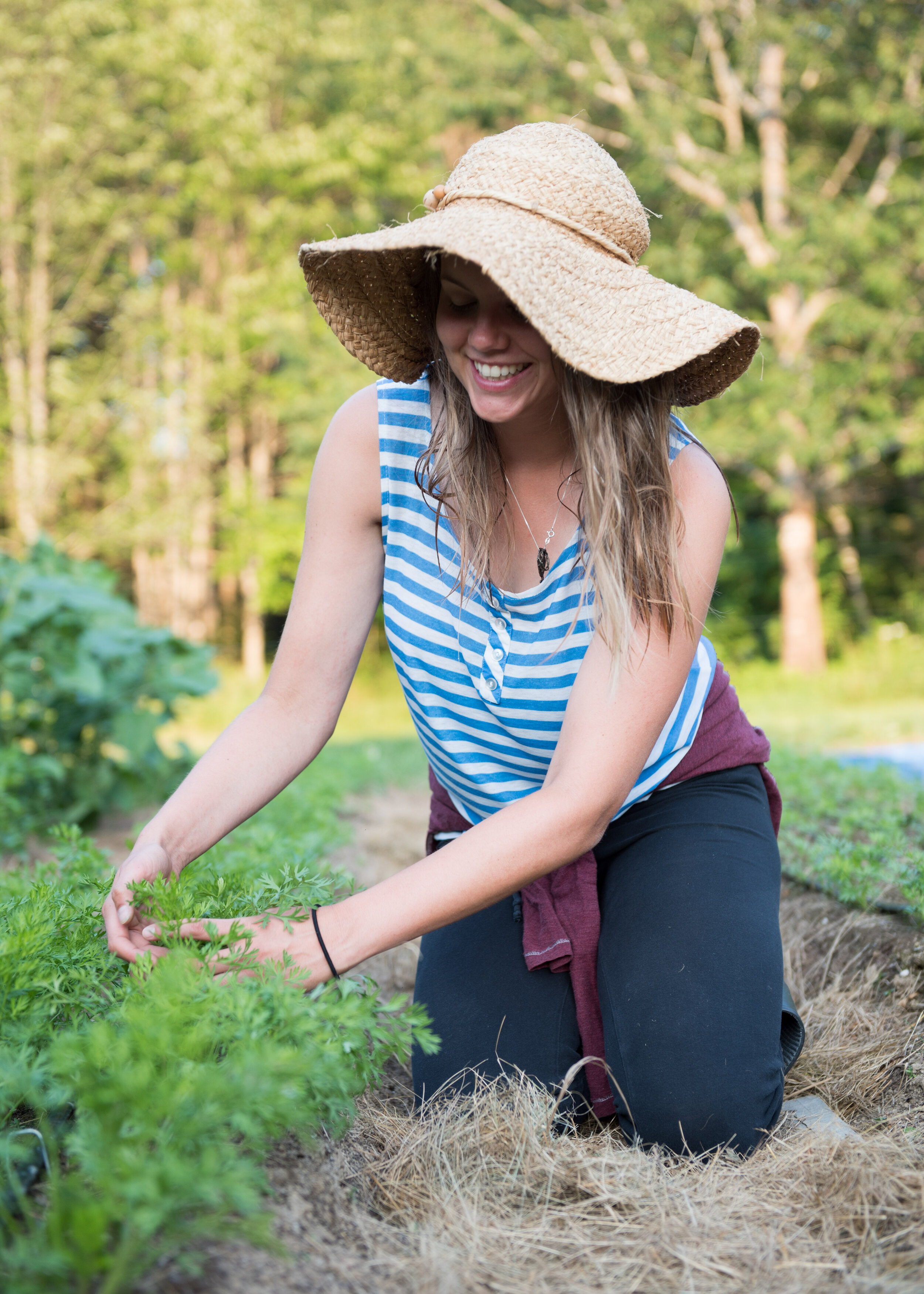
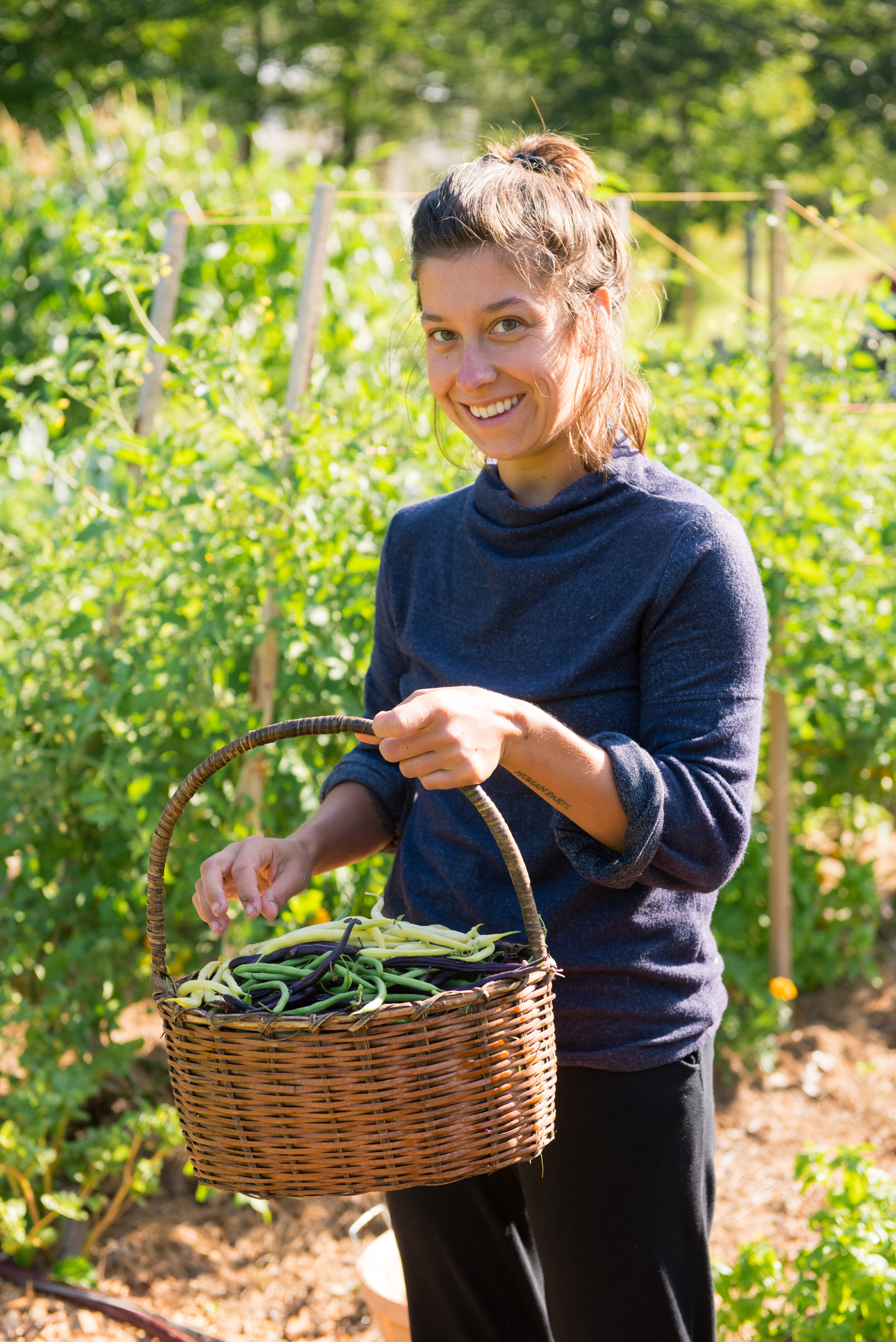
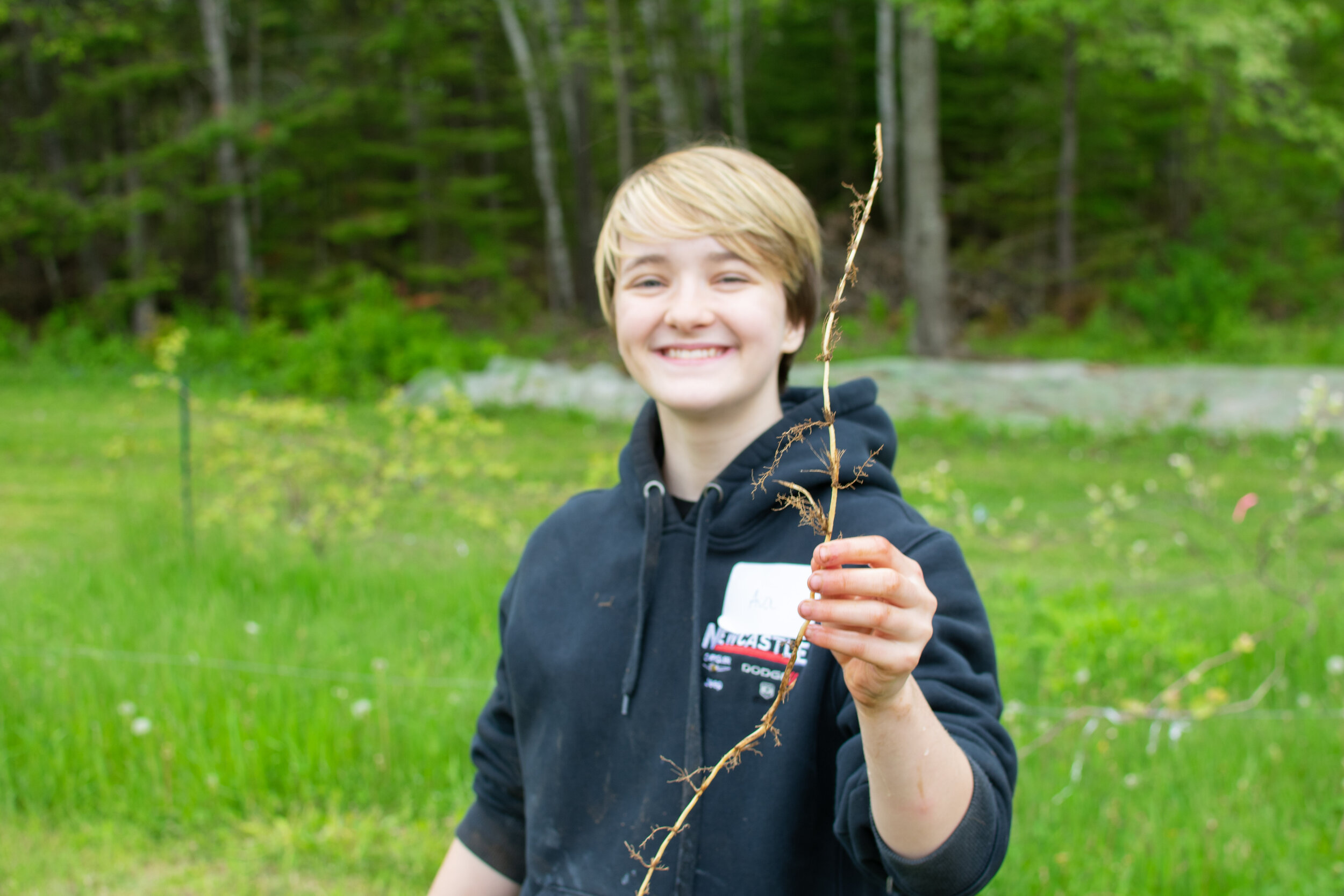
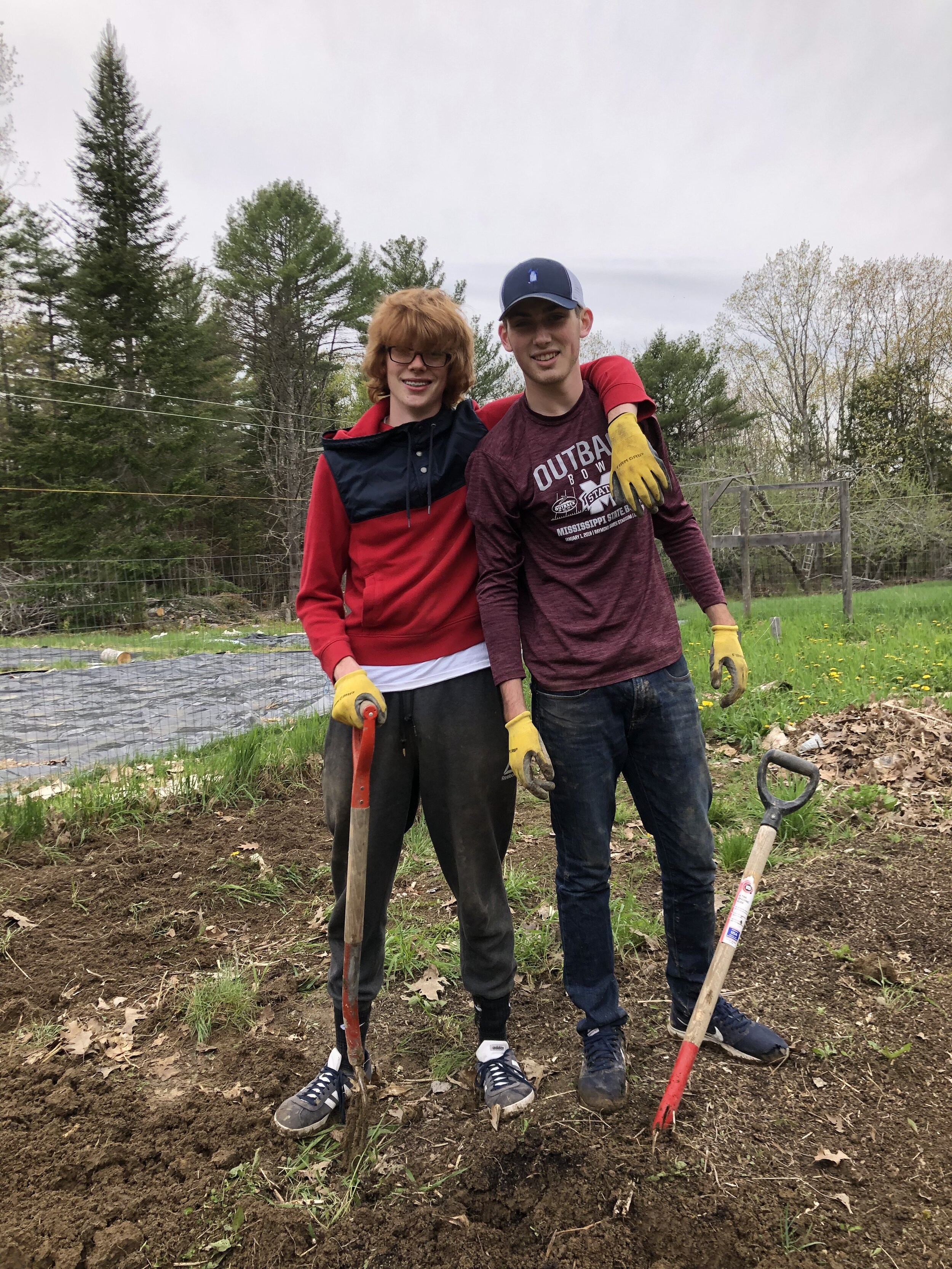
Students of all ages come to the farm from Lincoln Academy, the Hyde School, Wiscasset Middle High School, WWOOF-USA, all around our community, the United States and abroad. Food insecurity is on the rise and learning to grow, harvest and preserve healthy food is more essential now than ever before. To this end, we are in the process of expanding our educational program for children, students, and families. Through this work the aim is a stronger and more self-sufficient community and a healthy successful future for all. Stay tuned for exciting updates and partnerships.
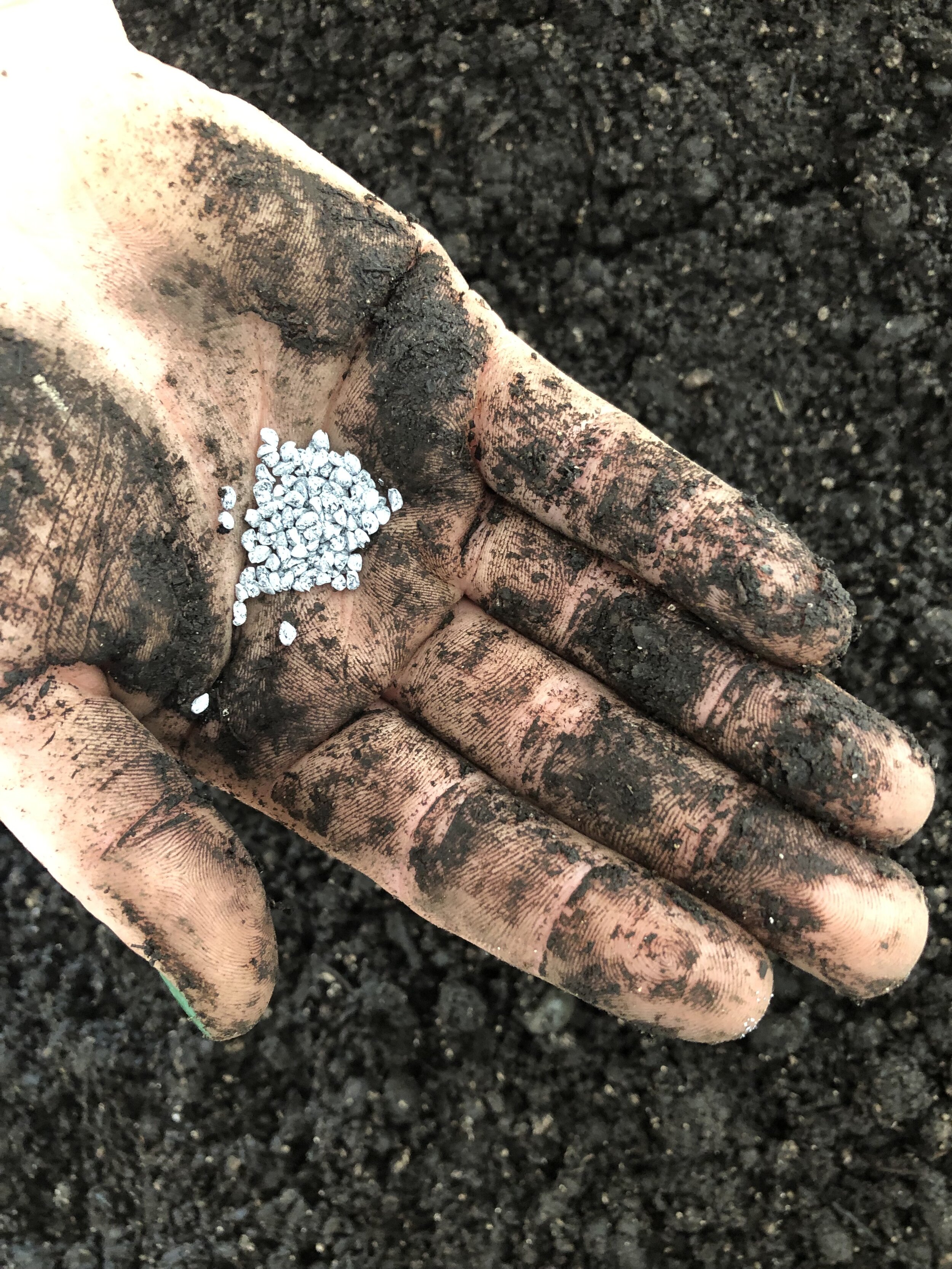
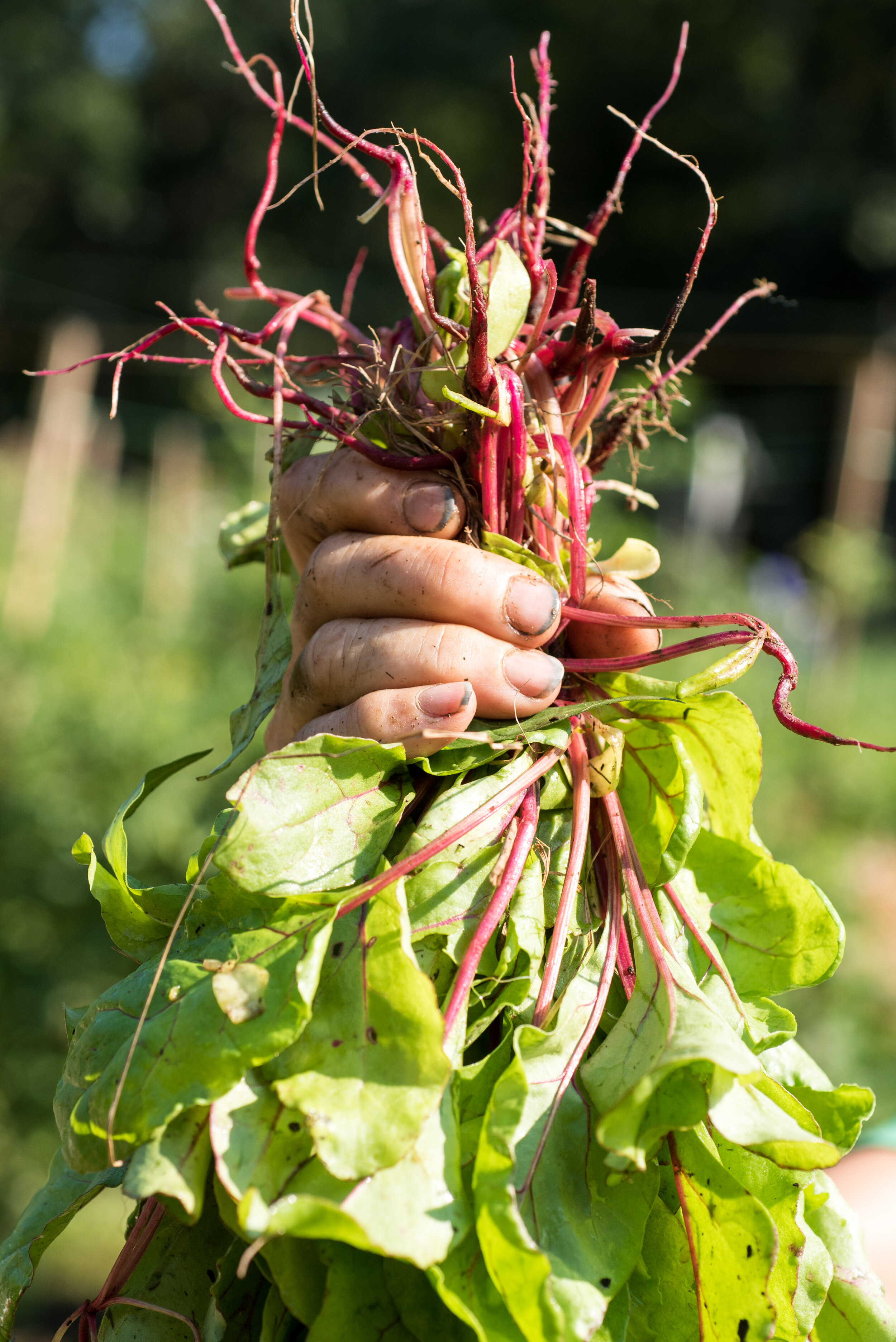
Some of the topics we will be focusing on are:
1. How to start a garden and grow your own food
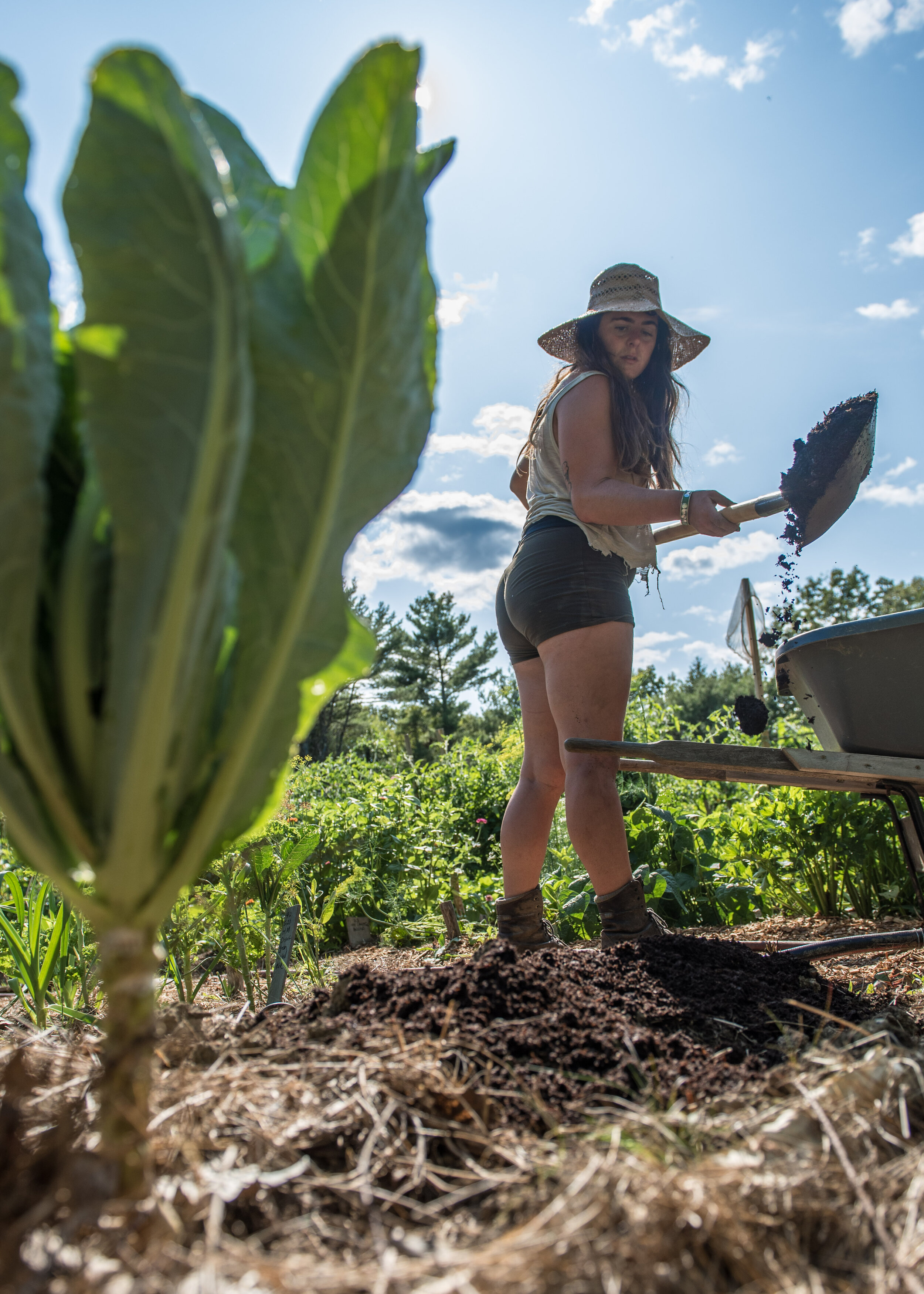
2. No-till intensive growing practices
3. Creating compost and worm composting
4. Soil fertility and cover cropping
5. Harvesting, preserving, and storing food
6. Healthy cooking using local ingredients
7. Growing and harvesting flowers
8. Bouquet making
9. Bee and chicken keeping
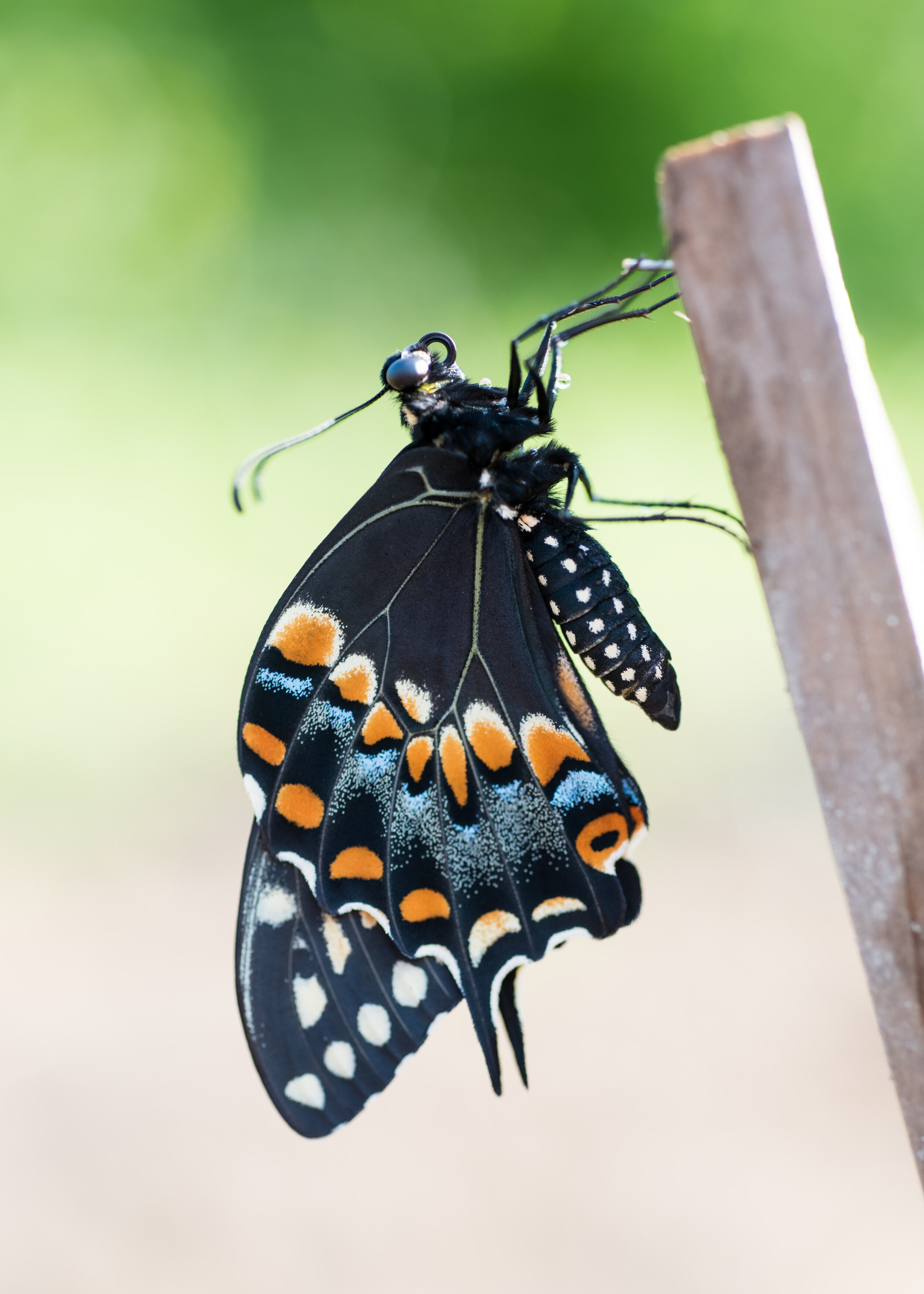
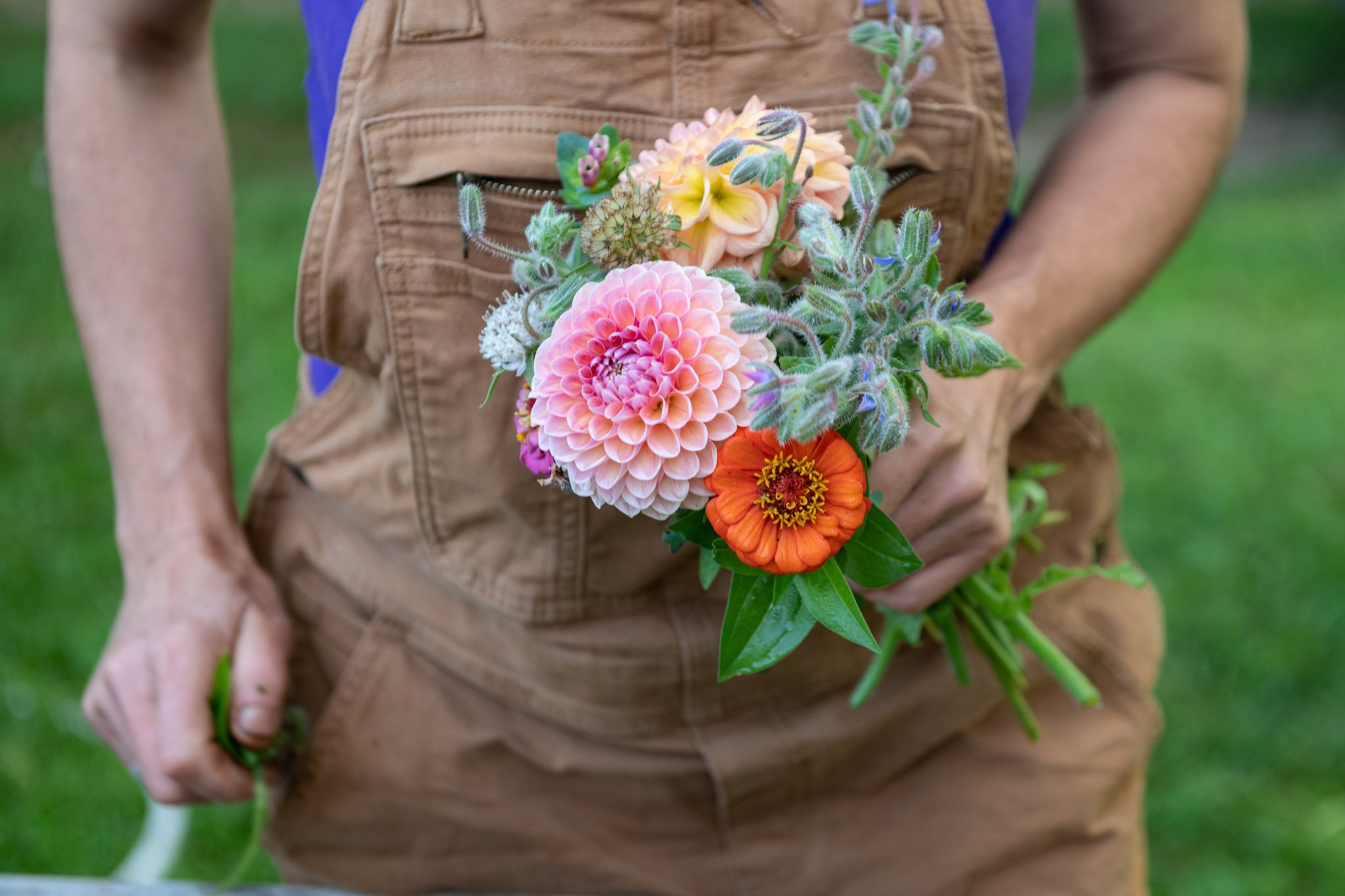
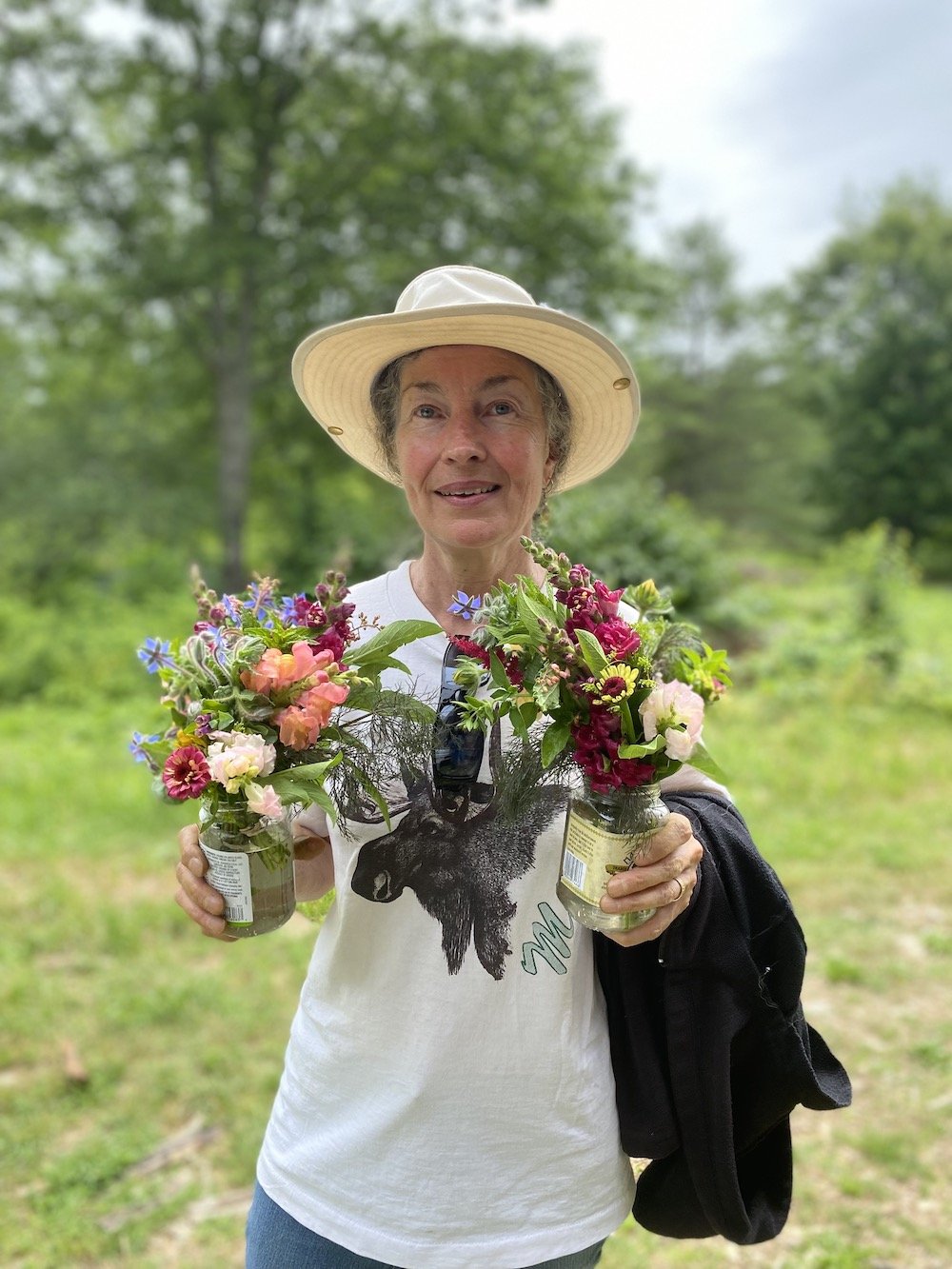
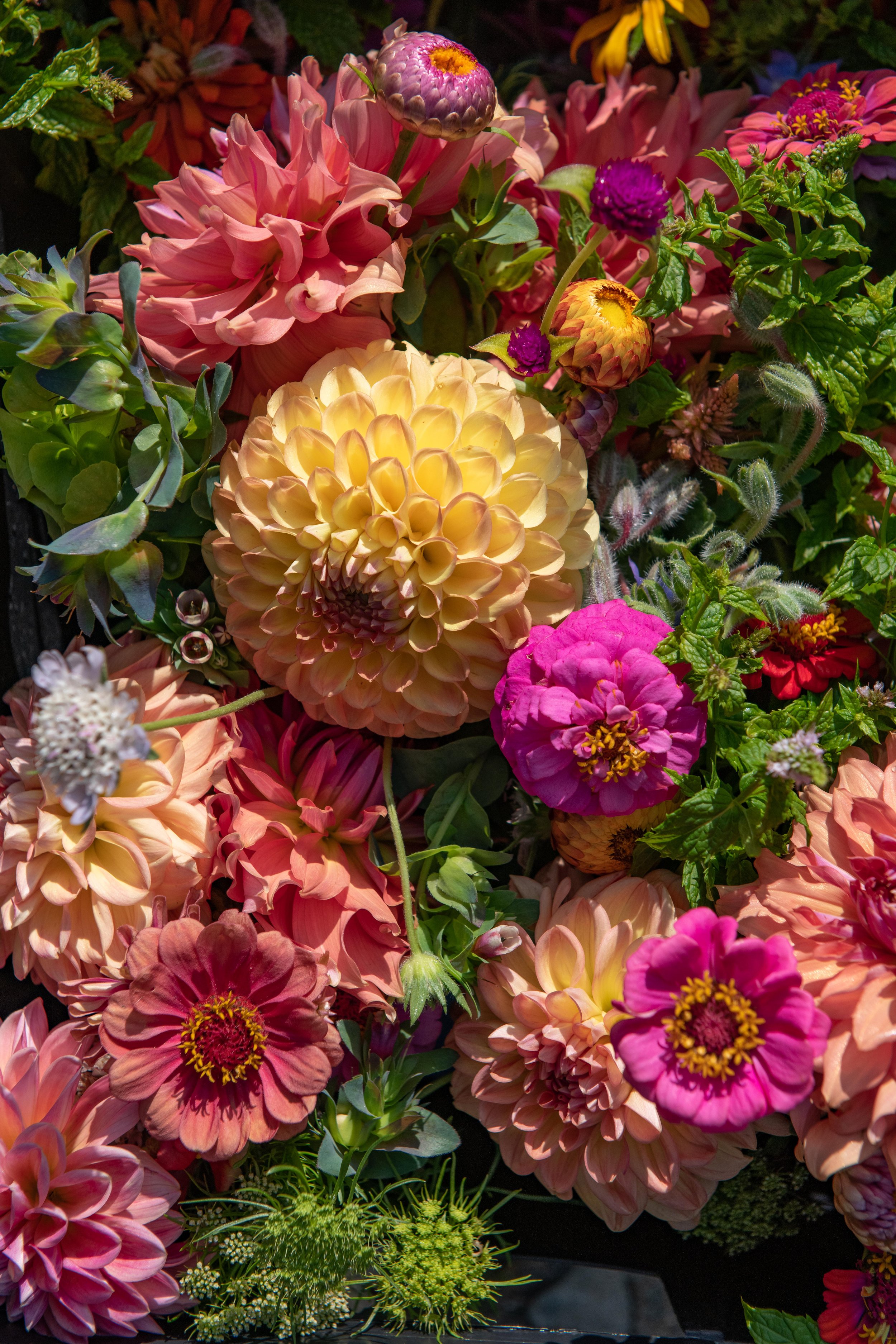
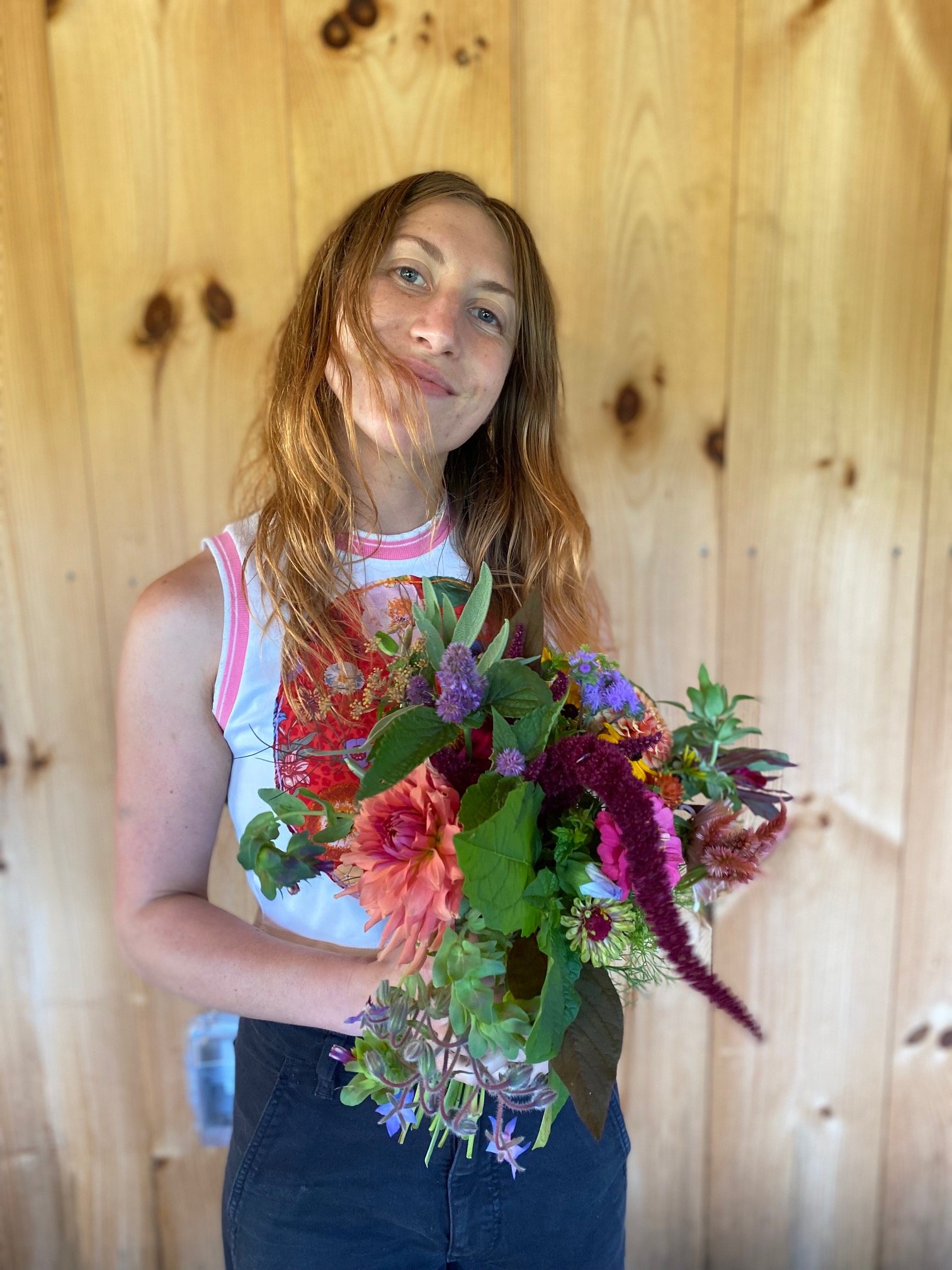
We grow everything from dahlias, sunflowers, and zinnias to amaranth, bells of Ireland, ammi, gomphrena, strawflowers, ageratum, calendula, marigolds, tulips, peonies, daffodils, lupin, snapdragons, asters, bee balm, bachelor’s buttons, borage, rudbeckia, cerinthe, celosia and more— over 40 types of flowers and a hundred different varieties.